

Key Takeaways
- Understanding the differences between a bad alternator vs. a bad battery is key to solving car electrical issues.
- Each component plays a distinct role—the battery starts your car, while the alternator keeps it running.
- Frequent jump-starts, dimming lights, or warning icons can point to deeper charging issues.
- If your car stops working while you’re driving, the alternator is likely the cause. A failing battery usually causes problems when the car is parked.
Is It Your Battery or Alternator? Here’s How to Tell
When your car won’t start or suddenly loses power, it’s easy to assume the battery is to blame. But that’s not always the case. Often, the real issue lies in the charging system—which includes both the battery and the alternator. Knowing how to tell the difference between a bad alternator vs. a bad battery can save you time, money, and unnecessary repairs.
This guide breaks down the symptoms of each issue, how they affect your car differently, and what to watch out for. Whether you’re dealing with car electrical problems or repeated breakdowns, here’s how to figure out what’s really going on.
What Does Each Component Do?
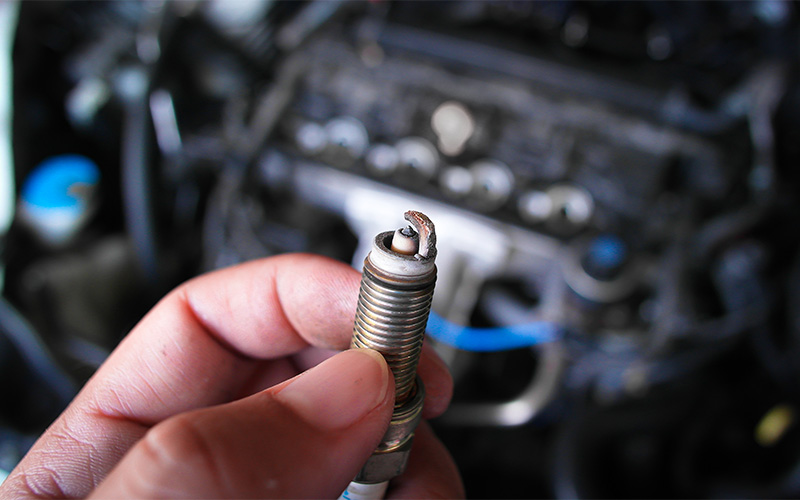
Before diving into the warning signs, it’s important to understand the different roles each component plays in your car’s charging system.
The Car Battery:
Your car battery stores electrical energy and delivers the initial jolt needed to start the engine. It also powers essential electrical components—like lights, power windows, and the radio—when the engine is off. However, the battery’s power is limited; once the engine is running, its job is essentially done.
The Alternator:
Once the engine is on, the alternator generates electricity to power the car’s electrical systems and recharges the battery for the next start. If the alternator fails, your battery won’t be recharged and will eventually drain.
Common Signs of a Bad Battery vs. a Bad Alternator
Use this list to spot whether you’re dealing with a bad alternator vs. a bad battery. Each symptom gives you a clue about which component is failing:
Signs of a Bad Battery
1. No Lights or Dashboard Activity
If you hit the start button and nothing happens—no dashboard lights, no cabin lights, and no sound—your battery may be completely flat. This usually means it’s not holding any charge at all and needs to be replaced.
2. Clicking Sound When Trying to Start the Engine
A rapid clicking noise when trying to start your engine often means the battery has just enough power to activate the starter solenoid but not enough to turn the engine over. This is a typical symptom of a weak or dying battery.
3. Frequent Need for Jump-Starts
If you find yourself frequently needing to jump-start your car—especially after being parked overnight—it’s a sign the battery isn’t storing energy properly. This could be due to old age (typically more than 3–5 years) or internal damage.
Signs of a Bad Alternator
1. The Car Starts After a Jump
If your engine cuts out while you’re on the road, it’s a strong indicator that the alternator isn’t supplying power. A healthy alternator keeps everything running once the car is started; without it, even a fully charged battery will drain quickly.
2. Battery Warning Light or “ALT” Icon on Dashboard
Most modern vehicles display a battery-shaped light or a warning labelled “ALT” or “GEN” when there’s a charging system failure. If this light appears while driving, it’s often pointing directly to a failing alternator.
3. Flickering or Dimming Headlights
Headlights that get dimmer or flicker while driving usually mean your alternator isn’t producing a steady electrical current. Other electronics, like your infotainment system or power windows, may also function unpredictably.
If you experience more than one of these symptoms, especially in combination, it’s likely a charging system failure.
Stay Ahead With Proactive Checks
Regular maintenance is crucial for preventing vehicle breakdowns. If your battery is over three years old, or you’ve noticed symptoms like dim lights, warning icons, or slow starts, it’s a good idea to get your system checked—before it fails completely. Catching the difference between a bad battery vs. a bad alternator early can help you avoid sudden breakdowns and costly repairs.
Need Immediate Help? Call Our Emergency Team

If your car won’t start or has broken down unexpectedly, Battery Tyre Road Rescue provides fast, islandwide car battery and road rescue services across Singapore. Our experienced technicians can diagnose charging system issues on the spot and change your car battery if needed. Whether the problem lies with the battery or the alternator, we’ll get you back on the road safely and efficiently.
Contact us today for on-site diagnostics and immediate support.

