Car Battery Diagnosis

Home | Services | Car Battery Diagnosis

An automative professional performing car battery diagnosis

Car Battery Diagnosis: How to Test & Spot a Failing Battery

A car battery diagnosis is essential for maintaining your vehicle’s reliability. Your car battery powers the ignition, lights, and electrical components, making it a crucial part of your vehicle. Over time, a battery can degrade due to age, temperature fluctuations, or charging issues, leading to potential breakdowns. Without proper maintenance, a failing battery can leave you stranded at the worst possible moment.

By conducting regular car battery diagnosis, you can identify early warning signs, such as slow engine cranks, dim headlights, flickering dashboard lights, and unresponsive electrical accessories. In some cases, an unusual smell or visible corrosion around battery terminals may also indicate underlying issues.

This guide covers essential topics, including how to test your car battery health, key battery failure symptoms, troubleshooting steps, and maintenance tips to prevent battery failure. By staying proactive, you can extend battery life and avoid costly replacements.

Types of Car Battery Diagnosis Services

Battery Tyre Road Rescue offers professional car battery diagnosis services to keep your vehicle running smoothly. Our team ensures accurate assessments to help you prevent battery failure before it happens.

01

Battery Health Assessment
We conduct a detailed inspection of your battery’s overall condition, including checking for wear, sulfation, and capacity loss. This helps us identify potential issues before they escalate.

02

Voltage and Load Testing
Our specialists conduct comprehensive car battery voltage tests to determine your battery’s charge level and performance under load. This test helps identify if the battery is still functional or nearing the end of its lifespan.

03

Corrosion Inspection
Loose terminals, corrosion buildup, and poor connections can all impact battery efficiency and lifespan. We ensure all connections are clean and secure for optimal power delivery.

04

Charging System Check
A battery’s efficiency depends on a properly functioning alternator. Our specialists test the charging system to confirm that the battery is receiving a consistent charge while the engine is running.

Why Car Battery Diagnosis is Important

A car battery diagnosis is crucial because battery failure is one of the most common causes of vehicle breakdowns. If your car battery dies unexpectedly, it can leave you stranded and in need of costly roadside assistance. Regular battery inspections help detect battery failure symptoms before they lead to serious issues.

Without proper monitoring, a weak or dying battery can place strain on other vehicle components, including the alternator and starter motor. This may result in expensive repairs down the line. Additionally, extreme weather conditions—whether hot or cold—can significantly impact battery performance, making regular maintenance even more critical.

Replacing a car battery can be expensive, but preventive care is significantly more affordable. Routine car battery diagnosis ensures that your battery operates efficiently, maximising its lifespan and reducing the likelihood of unexpected failures. A well-maintained battery not only improves vehicle reliability but also enhances fuel efficiency by ensuring all electrical systems run optimally.

By performing regular battery checks and addressing minor issues early, you can save money, prevent inconvenience, and keep your vehicle in top shape for longer.

Emergency Battery Replacement

Phone call icon with chat bubble.
01
Contact our rescue hotline
+65 8511 6622
Share Location and Car Plate Logo
02
share location
and car plate
Car repair icon with tools.
03
Team to be on site within 30-45mins 

How to Perform a Car Battery Diagnosis at Home (Step-by-Step)

1
Step 1: Visual Inspection
  • Check for corrosion, loose connections, leaks, or physical damage.
  • Clean battery terminals if corroded to ensure proper electrical flow.
2
Step 2: Car Battery Voltage Test (Using a Multimeter)
  • Set the multimeter to 20V DC.
  • Connect the red (positive) probe to the battery’s positive terminal and the black (negative) probe to the negative terminal.
  • Interpret results:
    • 12.6V+ = Fully charged
    • 12.4V = 75% charged
    • Below 12.0V = Battery may need replacement
  • A car battery voltage test provides an accurate reading of your battery’s health.
3
Step 3: Load Testing for a Deeper Diagnosis
  • Use a battery load tester to assess your battery’s ability to hold charge under pressure.
  • Load testing is recommended by professionals as it provides a more detailed analysis of your battery’s actual performance.

Regular DIY car battery testing can help detect early signs of failure, but professional assessments ensure a thorough evaluation.

Client valuable reviews

our latest essential artical
from our blog

image

How to Recharge a Car Battery: Step-by-Step Guide

Key Takeaways Knowing how to charge a car battery safely starts with the right tools and a clean, ventilated space. Always inspect the battery for damage before connecting a charger.…
image

How to Jump Start a Car: A Quick Guide for Drivers

Key Takeaways Learning how to jump-start a car properly is essential to avoid injury or damage to your vehicle. Always connect the jumper cables in the correct order and use…
image

What to Include in a Car Emergency Kit

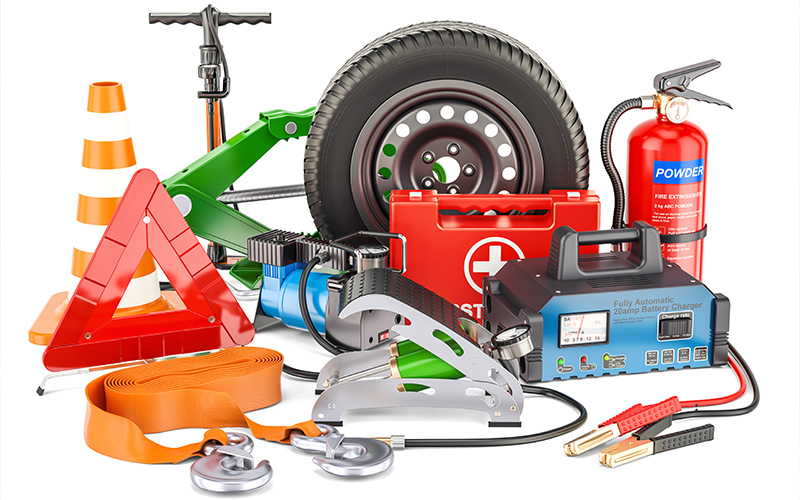
Key Takeaways A well-prepared car emergency kit can help you stay safe, calm, and in control during unexpected breakdowns on the road. Essential items include jumper cables or a portable…
Sail FengFan Starter Battery

25+

YEARS
EXPERIENCE

Your Questions, Our Solutions

Facilisis habitant tristique nullam conubia ante cum nulla torquent congue quisaire purus. Dolor dolor per nec vestibulum sem morbi. Vestibulum erat Tristique facilisi blandit leo mollis praesent tellus

Facilisis habitant tristique nullam conubia ante cum nulla torquent congue quisaire purus. Dolor dolor per nec vestibulum sem morbi. Vestibulum erat Tristique facilisi blandit leo mollis praesent tellus

Facilisis habitant tristique nullam conubia ante cum nulla torquent congue quisaire purus. Dolor dolor per nec vestibulum sem morbi. Vestibulum erat Tristique facilisi blandit leo mollis praesent tellus

Facilisis habitant tristique nullam conubia ante cum nulla torquent congue quisaire purus. Dolor dolor per nec vestibulum sem morbi. Vestibulum erat Tristique facilisi blandit leo mollis praesent tellus

Frequently Asked Questions

How often should I test my car battery?

It is recommended to conduct a car battery diagnosis at least twice a year, especially before extreme weather conditions like hot, humid weather or monsoon season.

Yes, but professional emergency car battery replacement ensures safety and proper disposal of the old battery. If you prefer DIY car battery testing, ensure you follow the correct steps.

A fully charged car battery should measure 12.6V or above when the engine is off. If it drops below 12.0V, it may need replacement.
On average, car batteries last 3–5 years, depending on usage, climate, and maintenance.
If your car struggles to start, has dim headlights, or your dashboard lights flicker, it could indicate a weakening battery. A clicking sound when turning the key or an unusual smell from the battery are also signs of trouble.